Advisory Board

Readiness is not a question one discipline can answer.

Eight people whose work spans foresight, artificial intelligence, law, economic policy, financial systems and organizational scaling. They advise FRF, challenge its thinking, and bring the range of expertise the problem actually requires.

Why we ask for challenge

The systems shaping the future do not respect disciplinary boundaries.

An organization deciding how to adopt artificial intelligence is simultaneously making decisions about data, law, capital, workforce capability and institutional trust. Those decisions sit in different disciplines, are governed by different rules, and are usually made by people who cannot see each other’s constraints.

No institution holds that range internally, and FRF does not claim to. Our Advisory Board exists so that the frameworks we publish are tested by people who work at the edges of the systems those frameworks describe.

Board members contribute specialist expertise, challenge assumptions, bring perspective from outside the institution, and help FRF stay connected to developments across their fields. They advise on thinking and direction. They hold no operational or executive role at FRF.

Eight advisers

Foresight · Artificial intelligence · Industry · Scaling · Finance · Capital · Law · Policy

The Board

The Board

Listed in the order the problem runs: how change is understood, what it is made of, the systems it moves through, and the rules that have to absorb it.

Portrait of Jerome C. Glenn

Co-Founder and Executive Director, The Millennium Project

Jerome C. Glenn

Built much of the methodology the foresight field now runs on.

Jerome Glenn has spent more than fifty years building the methods foresight practitioners use. He invented the Futures Wheel in 1972 and coined the term “futuring” in 1973, and in 1996 co-founded The Millennium Project, the global participatory futures think tank he still leads as executive director and CEO, working through research nodes in dozens of countries. He…

  • Foresight and futures methodology
  • Global futures research
  • AGI governance
  • Collective intelligence
The Millennium Project
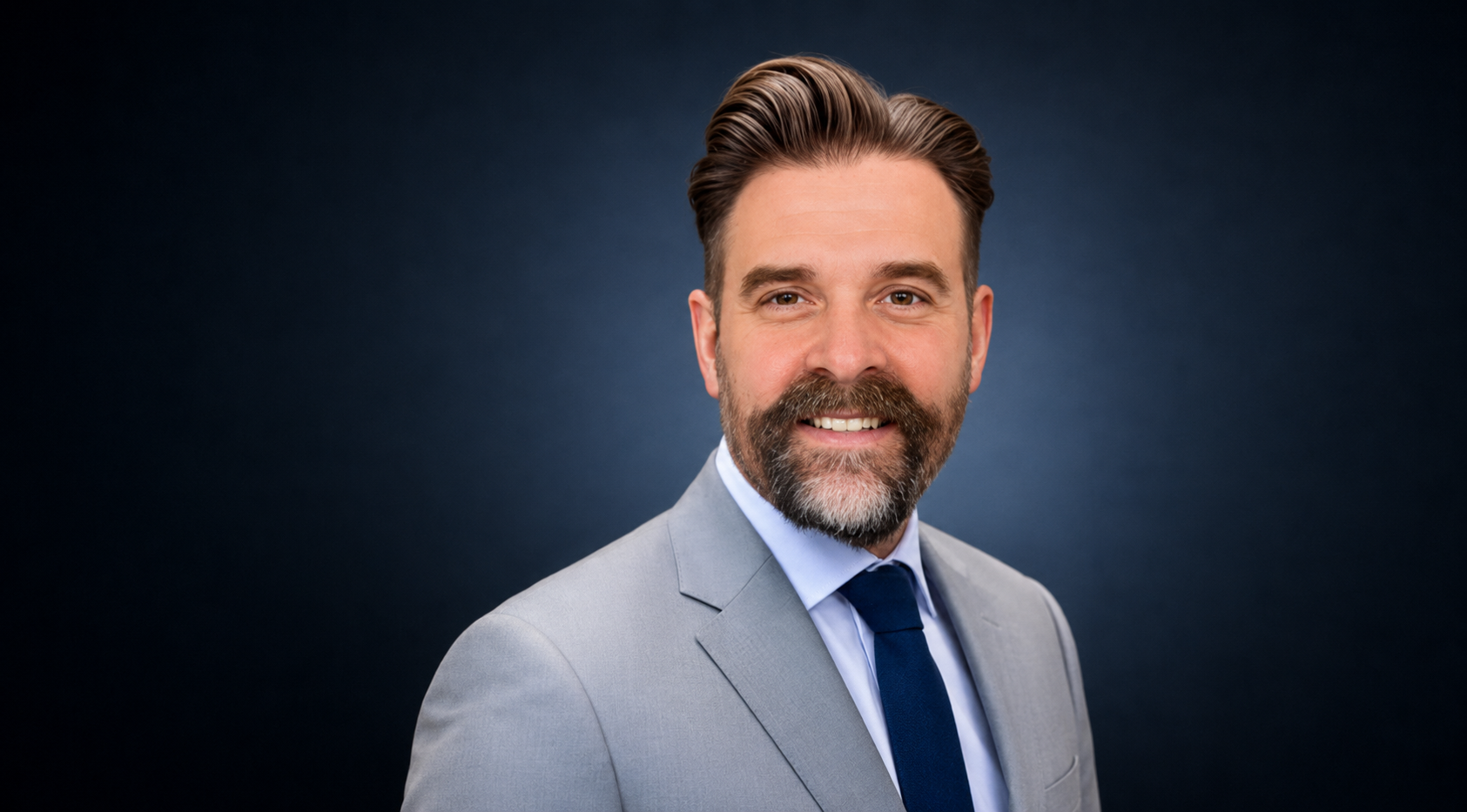
Portrait of Henrik von Scheel

Strategist and futurist · Industry 4.0 and the European Digital Agenda

Henrik von Scheel

Present at the origin of how governments talk about industrial transformation.

Henrik von Scheel’s work sits close to the origin of how governments now discuss industrial transformation. In 2009 he served on the advisory council to Germany’s federal economics and technology ministry that shaped the Digital Agenda, subsequently absorbed into the European Commission’s Europe 2020 programme, and he was later part of the federal advisory group whose work produced…

  • Industrial transformation
  • National competitiveness
  • Strategy and futures research
  • Technology policy
von-scheel.com
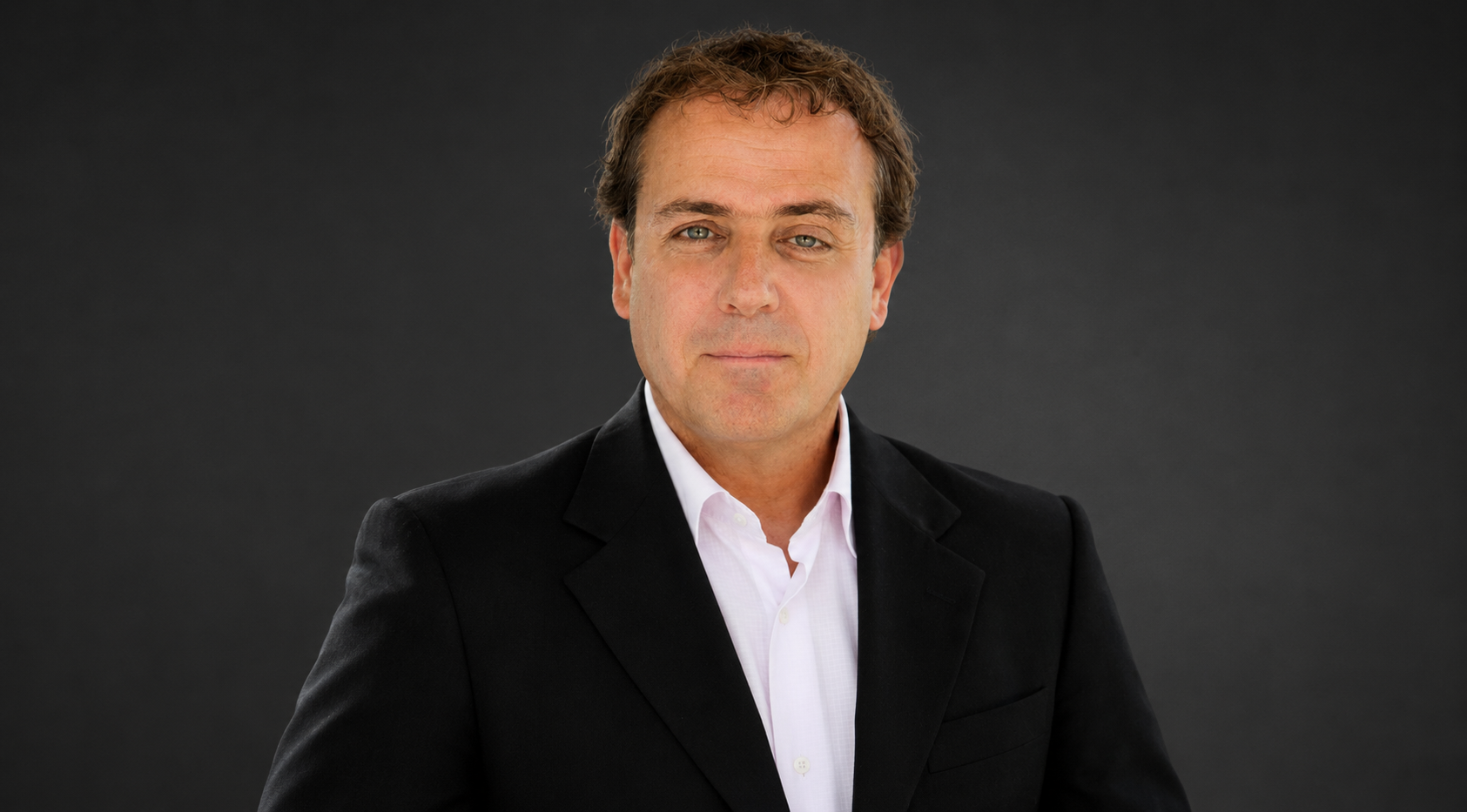
Portrait of Usama Fayyad

Senior Vice Provost for AI and Data Strategy, Northeastern University · Chairman, Open Insights

Usama Fayyad

Held the first Chief Data Officer role in industry, and helped define the field that followed.

Usama Fayyad became the first person anywhere to hold the title of Chief Data Officer, at Yahoo! in 2004, where he also founded Yahoo Research Labs. He went on to serve as Global Chief Data Officer and Group Managing Director at Barclays, founded the machine learning systems group at NASA’s Jet Propulsion Laboratory, and led data mining research…

  • Artificial intelligence
  • Data science and analytics
  • Knowledge discovery
  • Enterprise AI deployment
fayyad.com
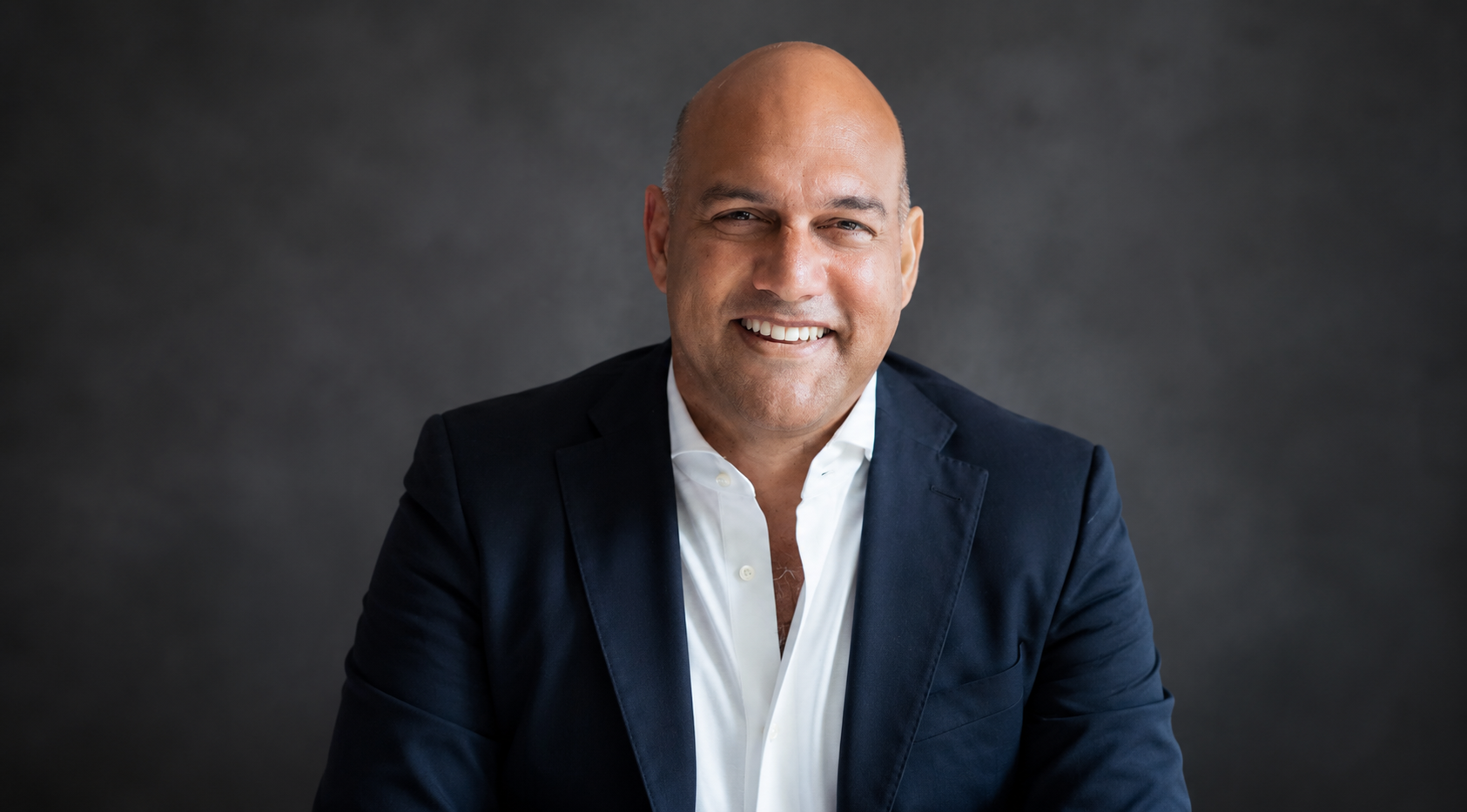
Portrait of Salim Ismail

Founder and Chairman, OpenExO · Author, Exponential Organizations

Salim Ismail

Named and described the organizational pattern behind non-linear growth.

Salim Ismail gave a name to something FRF measures. Exponential Organizations, published in 2014 and revised as ExO 2.0 in 2023 with Peter Diamandis, identified the attributes that let some organizations scale far faster than their peers, and became a standard reference for organizational design under exponential change. He was the founding executive director of Singularity University, led…

  • Organizational scaling
  • Exponential technologies
  • Innovation methodology
  • Transformation
salimismail.com
Portrait of Brett King

Futurist and author · Founder, Moven and Provoke Media

Brett King

Has been describing banking without banks for fifteen years, and building it for most of them.

Brett King started forecasting the end of the bank branch around 2010 and has spent the years since building the alternative. He founded Moven, among the first mobile-native bank accounts offered anywhere, and wrote the Bank 2.0 to Bank 4.0 series along with Augmented and The Rise of Technosocialism. He founded Provoke Media, hosts Breaking Banks and co-hosts…

  • Financial systems and fintech
  • Banking transformation
  • Technology and society
  • Futurism
brettking.com
Portrait of Roksana Ciurysek-Gedir

Board Member, Therme Group · Founder, Possible X

Roksana Ciurysek-Gedir

Two decades allocating institutional capital, and several arguing about where it should go.

Roksana Ciurysek-Gedir spent two decades in institutional finance before turning to the question of what capital is for. She held senior roles at the European Bank for Reconstruction and Development, JPMorgan, Merrill Lynch, Edmond de Rothschild and Credit Suisse, where she led the UK ultra-high-net-worth team, then served from 2018 to 2020 as Deputy CEO and Vice President…

  • Capital and long-horizon investment
  • Institutional transformation
  • Sustainability and impact
  • Systems thinking
World Economic Forum profile
Portrait of Abir Haddad

Founder and Director, Institute for Legal Transformation

Abir Haddad

Works on the question most institutions defer: what happens to law when everything else changes faster.

Abir Haddad works on a problem most institutions postpone: what happens to law when technology and climate change faster than legislation can follow. She founded and directs the Institute for Legal Transformation, where she applies her “7 Steps to Legal Transformation” methodology, and teaches the modern law of Arab states at the University of Cologne’s Institute for Private…

  • Law and regulation
  • Legal transformation
  • Anticipatory governance
  • Climate and technology regulation
Institute for Legal Transformation
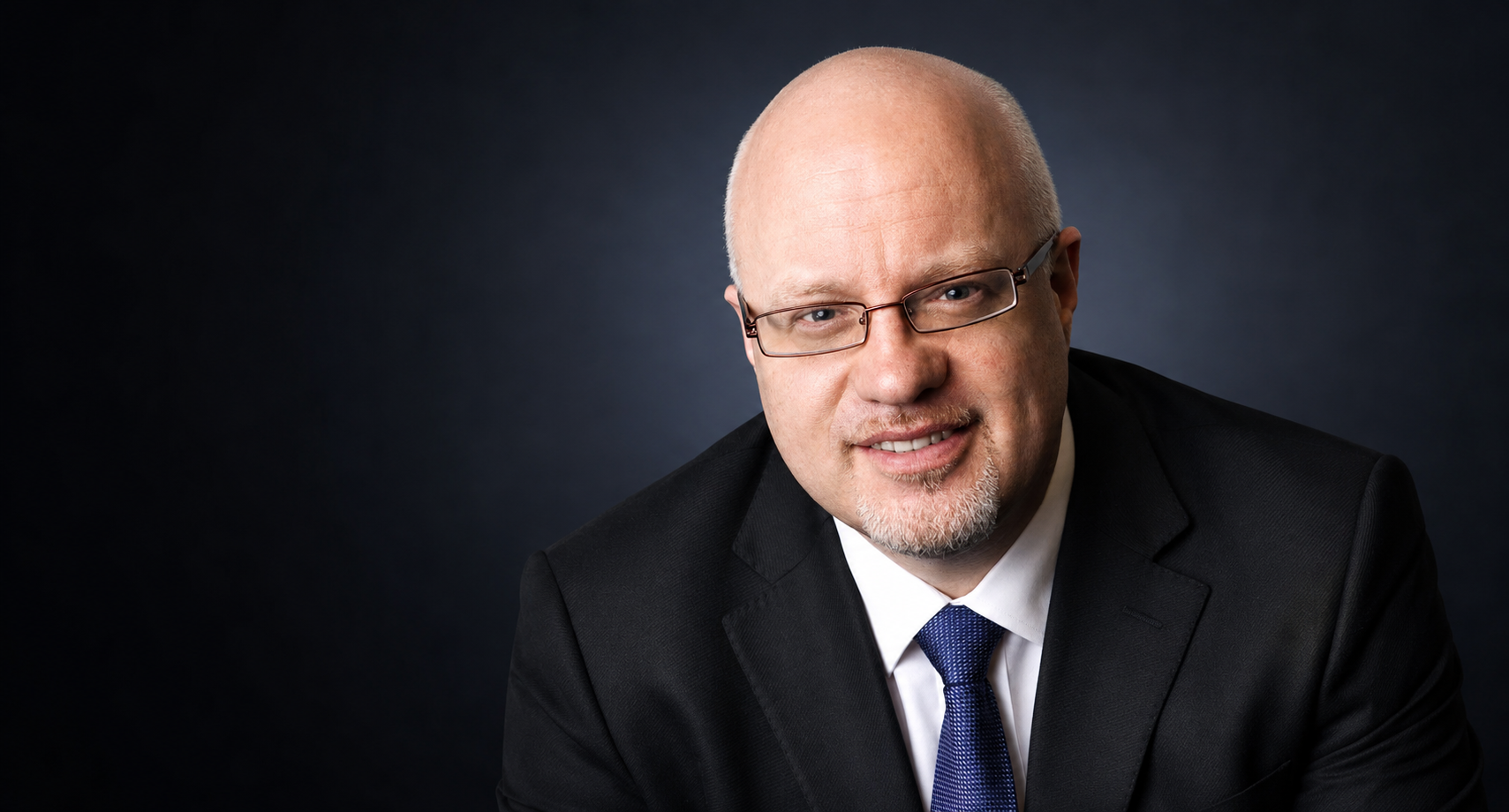
Portrait of Peter Middlebrook

Co-Founder and CEO, Geopolicity · Development economist

Peter Middlebrook

Advises states on the economics of holding together.

Peter Middlebrook works where economic policy meets state capability. He is co-founder and CEO of Geopolicity, the UAE-based advisory group, and has led more than 200 international projects for the World Bank, the European Union, the United Nations, the UK and US governments, and the Asian and African Development Banks. He previously held staff positions at the World…

  • Economic policy
  • Institutional reform
  • Public finance
  • Geopolitics and development
petermiddlebrook.com

Collective expertise

Expertise matters. Intersection matters more.

Between them, the Board covers foresight methodology, artificial intelligence and data, industrial and economic transformation, organizational scaling, financial systems, capital allocation, law and regulation, and economic policy and state capability. The useful part is where those fields overlap.

A question about AI adoption in a bank is simultaneously a question about data architecture, regulatory exposure, organizational design and capital allocation, and the answer produced by any one of those disciplines alone is usually wrong. Readiness decisions live in the overlaps, which is why FRF’s Board was composed to cover them rather than to accumulate seniority.

  • 01Foresight and futures methodology
  • 02Artificial intelligence and data
  • 03Industrial and economic transformation
  • 04Organizational scaling
  • 05Financial systems and fintech
  • 06Capital and long-horizon investment
  • 07Law and regulation
  • 08Economic policy and state capability

The role of the Board

Advice that is meant to be difficult.

01
Strategic perspective
External views on FRF's direction and priorities, from people with no stake in the answer.
02
Challenge
Assumptions tested before they reach a framework, a programme or a client.
03
Specialist depth
Domain expertise FRF does not hold internally, available when a question turns technical.
04
Connection to the field
Visibility of developments across artificial intelligence, law, finance, foresight and policy as they emerge rather than after they settle.
05
Intellectual rigour
Pressure on the standards FRF publishes, so that what we certify holds up to scrutiny from people qualified to apply it.
06
Long-term thinking
Perspective on horizons longer than any commercial cycle.

Advisory Board members contribute in an advisory capacity. They hold no executive, operational or fiduciary role at the Future Readiness Forum.

Readiness is built with people who will tell you what you are missing.

Frameworks that have not been challenged are assumptions with formatting. The Board exists so that ours are tested before anyone relies on them.